
Superficial decisions and the destruction of a brand

💎 Brian Till writes in the book Creating Popular Brands: Branding is like constructing a building. Just as negligence in a seemingly small part of a structure—such as concrete pouring—can cause the entire building to collapse during a mild earthquake, failing to pay attention to every component of your brand will eventually lead to its destruction with even the smallest incident.

🔹 One of the most critical forms of negligence in branding is abandoning the very path that originally led to the brand’s growth and success. In other words, many brands forget their core promise, positioning, competitive advantage, and culture—and as a result, they quickly disappear.

🔹 For example, consider Boston Chicken. Do you remember it? It was a fast‑growing chain offering rotisserie chicken and homemade‑style meals. But the founders soon forgot what had made the brand successful in the first place.

🔹 They neglected their brand: they changed the name to Boston Market, expanded their product range excessively, and lowered the quality and service standards. The result: brand fatigue, declining sales, reduced revenue and stock value, and ultimately bankruptcy.

🔹 Remember that many brands become negligent due to market pressure and external conditions—and this is where the path to destruction begins.

🔹 For example, imagine a brand that enters the market with a single, unique product and becomes very successful. But after some time, sales stop growing.

🔹 As a result, managers decide to expand the product line by adding ordinary, generic products already available in the market. This decision—often made under pressure—seems logical but is extremely dangerous, because it marks the beginning of negligence and, eventually, brand destruction.

🔹 Even if deviating from your brand’s core path helps you achieve short‑term goals, these small deviations gradually penetrate the heart of your brand and ultimately lead to collapse and loss of brand equity.

🔹 So never risk the long‑term survival of your brand for short‑term goals like higher sales or quick profits.

“Be sensitive to your customers’ judgments.

🔸 Jim Blythe writes in the book 100 Great Marketing Ideas: In marketing—especially in services marketing—customers easily judge our products and services and share their opinions, influencing other customers as well.

🔹 Therefore, we must always monitor and evaluate customers’ opinions and judgments about us carefully and never ignore them.

🔹 For example, Artful Diner, a well‑known restaurant critic, tests a restaurant’s restroom before evaluating its food. He believes that if a restaurant’s restroom is dirty, it is highly unlikely that the kitchen is clean—because the restroom is the part customers are allowed to see, so imagine how much worse the parts they cannot see might be.

🔹 Many smart and professional restaurants quickly improved their restrooms after this idea became public, hoping to positively influence customer judgment and evaluation.

🔹 This example emphasizes that for success, we can prioritize these three actions:

◽️ 1. Continuously monitor magazines, newspapers, websites, and social media related to our industry to understand what they recommend to customers and use those insights to improve our business.

◽️ 2. Ask our customers which feature of our product or service matters most to them, then work to improve our performance in that specific area.

◽️ 3. If possible, ask competitors’ customers which feature they like most about them, then try to incorporate that feature into our own business.

“Actions successful companies take to retain their talented employees

:

💎 After you have invested significant time and money in hiring talented and skilled employees, you must adopt policies that help you retain them.

🔹 Salary, retirement plans, and proper vacation benefits are at the top of the list for attracting specialists. But these alone are not enough for long‑term retention. Job satisfaction increases employee retention. Below are several strategies that can help you keep your talented staff.

◽️ 1. Create an environment where employees feel they are among the company’s most valuable assets Do not behave in a way that makes them feel like a cost. Allow them to feel job security. Encourage them by using their first names, let them know you recognize their role and contribution to the company’s goals, and consider their opinions regarding rules and changes.

◽️ 2. Clarify the company’s expectations and goals Make sure job descriptions clearly tell employees what is expected of them. If changes are coming, do not expect employees to figure them out on their own. You must communicate these changes directly and clearly. Good employees want to meet your expectations—provided they know exactly what they should do.

◽️ 3. Create an open and honest work environment Give employees feedback on the effectiveness of their work, and be willing to listen to their reasoning. Be open to new ideas. Accept suggestions offered to solve problems. Whenever colleagues ask for guidance, be present and supportive.

◽️ 4. Provide opportunities for growth and learning Let employees know there is a path for advancement in your company. Offer academic or training programs. Provide challenging and complex tasks. Create a calm environment where they can focus their time and energy on work they enjoy.

◽️ 5. Recognize and reward good work Monthly bonuses are helpful, but acknowledging good work creates positive feelings and loyalty that last much longer. Recognition of positive behavior should be specific. To retain talented employees, they must feel appreciated, respected, and valued.

“Three important lessons Tim Cook learned from working with Steve Jobs”

🔸 In 2011, after the death of Steve Jobs, Tim Cook was appointed CEO of Apple and led the company to remarkable growth. Cook still follows the lessons he learned from Jobs and uses them in his decision‑making. Over the years, he has repeatedly spoken about his experiences working with Jobs and has revealed parts of Jobs’s advice in his speeches and interviews. The three important lessons he learned are:

◽️ 1. Small teams can accomplish amazing things Apple’s CEO says the teams responsible for building the iPod and iPhone were small. The team that built the iPhone may have been small, but it created a device that transformed smartphones.

◽️ 2. Hire people who challenge you Apple is known as one of the best companies to work for in the tech industry, but also one of the hardest places to get hired. According to Cook, there is a reason for this. He says Jobs told him to hire people who challenge him. He added that your employees should have skills you don’t have, and managers must ensure this.

◽️

Selling to rude customers”

🔸 Tim Connor writes in the book 91 Common Mistakes Salespeople Make: New salespeople are usually given their first piece of advice: “You must break the ice and build rapport with the customer before entering serious negotiation; otherwise, you won’t gain their trust or be able to sell anything.”

🔹 This is true in most sales negotiations, and we should not jump straight into presenting our product or discussing our topic without first creating a friendly connection with the customer.

🔹 However, some customers simply do not allow any personal connection. They do not want jokes or small talk to change the atmosphere. These customers want a serious negotiation, and their goal is not friendship—they only want their problem solved and their need fulfilled.

🔹 So with these customers, we must avoid the mistake of continuing to joke or push for friendliness. Instead, we should quickly shift our approach and say: “Before I recommend the best product for you, may I ask you a few questions first?”

🔹 This method has two main advantages:

◽️ 1. It helps us steer the meeting toward a formal atmosphere and prevents the customer from becoming irritated.

◽️ 2. It helps us encourage the customer to share information by asking the right questions, showing them that we are professional salespeople—and therefore someone they can trust.

Key characteristics of successful teams

Many of us may think that if we lack talent in something, it means we were not born with it and therefore can never acquire it. Others believe talent has no meaning and everything can be learned. The truth is that we have more choice than we think, and reality often lies somewhere between these two beliefs.

🔷 This raises an important question: Can everyone build an excellent and effective culture within their team, or does it require a special talent? Where does great culture come from? How can it be created and maintained within a group? How can a team culture in need of improvement be identified and strengthened?

🔷 In a study called “The Good Apple,” conducted at the University of South Wales in Australia on various groups, results showed that a subtle pattern of behaviors mattered more than measurable abilities such as intelligence, skills, or experience. In this research, a person named Nick acted as the “bad apple” in each group, trying to inject behaviors such as irresponsibility, slacking off, discouragement, negativity, or foolish opposition. Most groups were affected by his behavior—until he joined Jonathan’s group, where a strong sense of psychological safety and cohesive communication prevented any disruption. Jonathan’s group succeeded not because its members were smarter or more skilled, but because the group felt safe—an environment Jonathan created through subtle behaviors like attentive listening, warm responses, calming interactions, and inviting others’ viewpoints.

🔹 For success in teamwork and healthy group interaction, managers do not need to imitate what great leaders typically do. They do not need to dictate tasks or take over others’ responsibilities. Even constant encouragement or pushing a specific viewpoint is not essential. What truly matters is that team members develop cohesive communication and each person feels a stable sense of safety and belonging—seeing the group almost like a family.

🔹 The issue is that before this study, researchers believed psychological safety was merely an emotional atmosphere with little importance. But the findings showed the opposite. Psychological safety is the foundation on which strong thinking develops. But where does this sense of safety come from? Highly successful groups share the same answer: they see their group as a family.

📕 From the book The Culture Code by Daniel Coyle

legal-working-group

1- Liaison with relevant domestic media
2- Identifying and interacting with similar and peer organizations on a national level
3- Identifying and introducing national events related to the association
4- Announcing and informing the association members of the latest regulations and legal laws.
5- Providing legal advice services to members of the association
6- Introducing and identifying individuals to be introduced to the membership working group
7- Attending employer forums related to legal matters

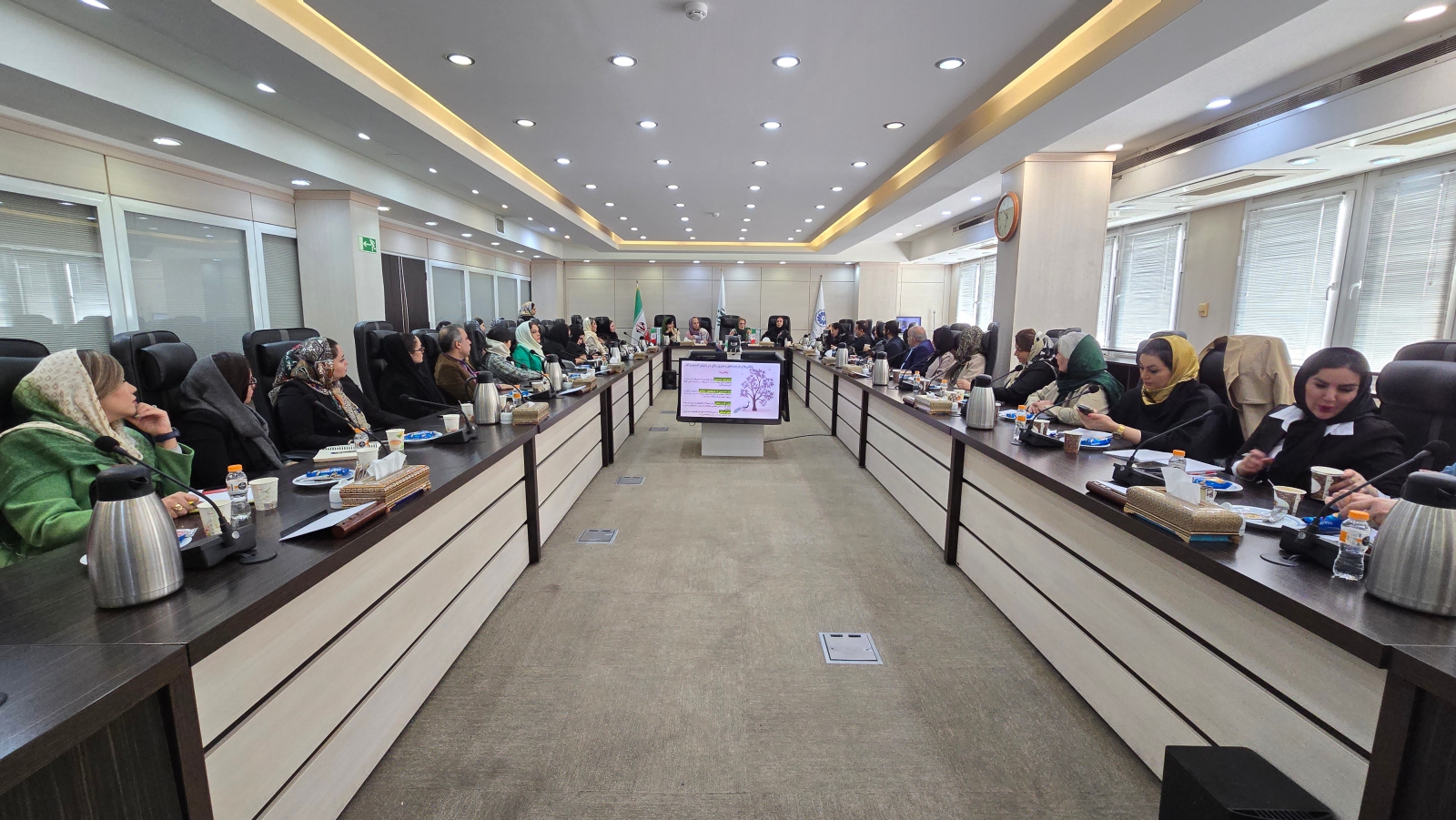
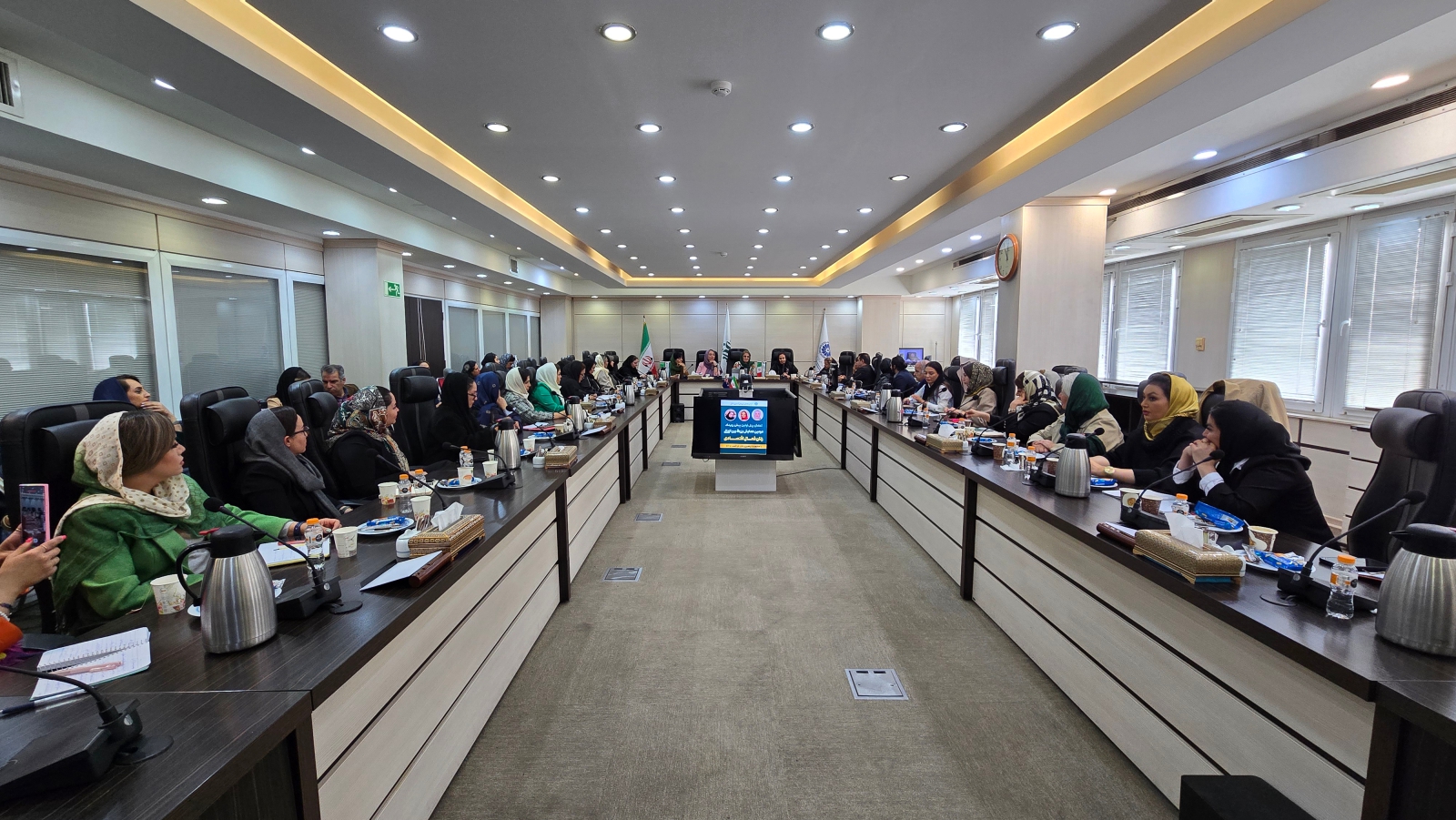
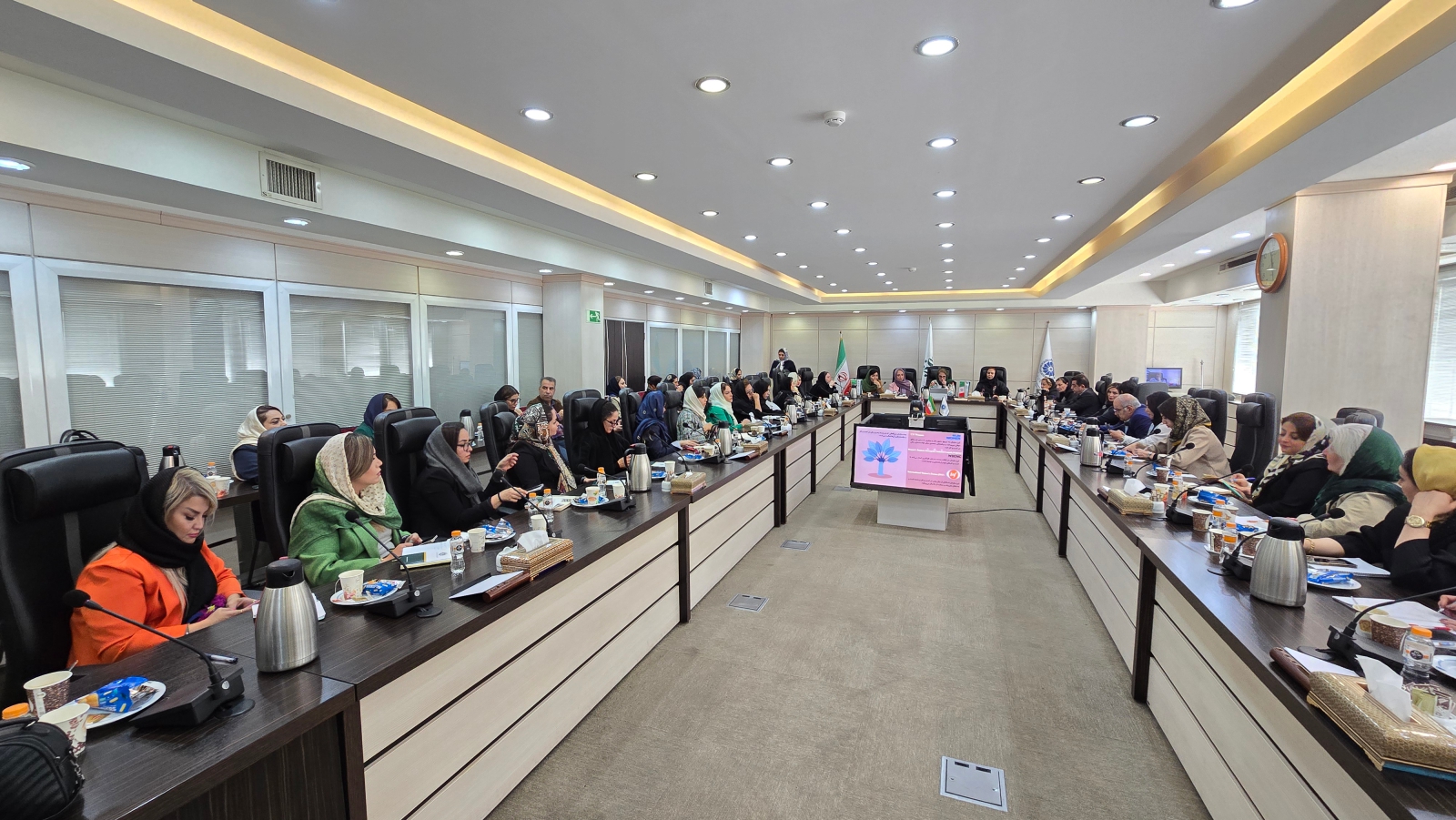
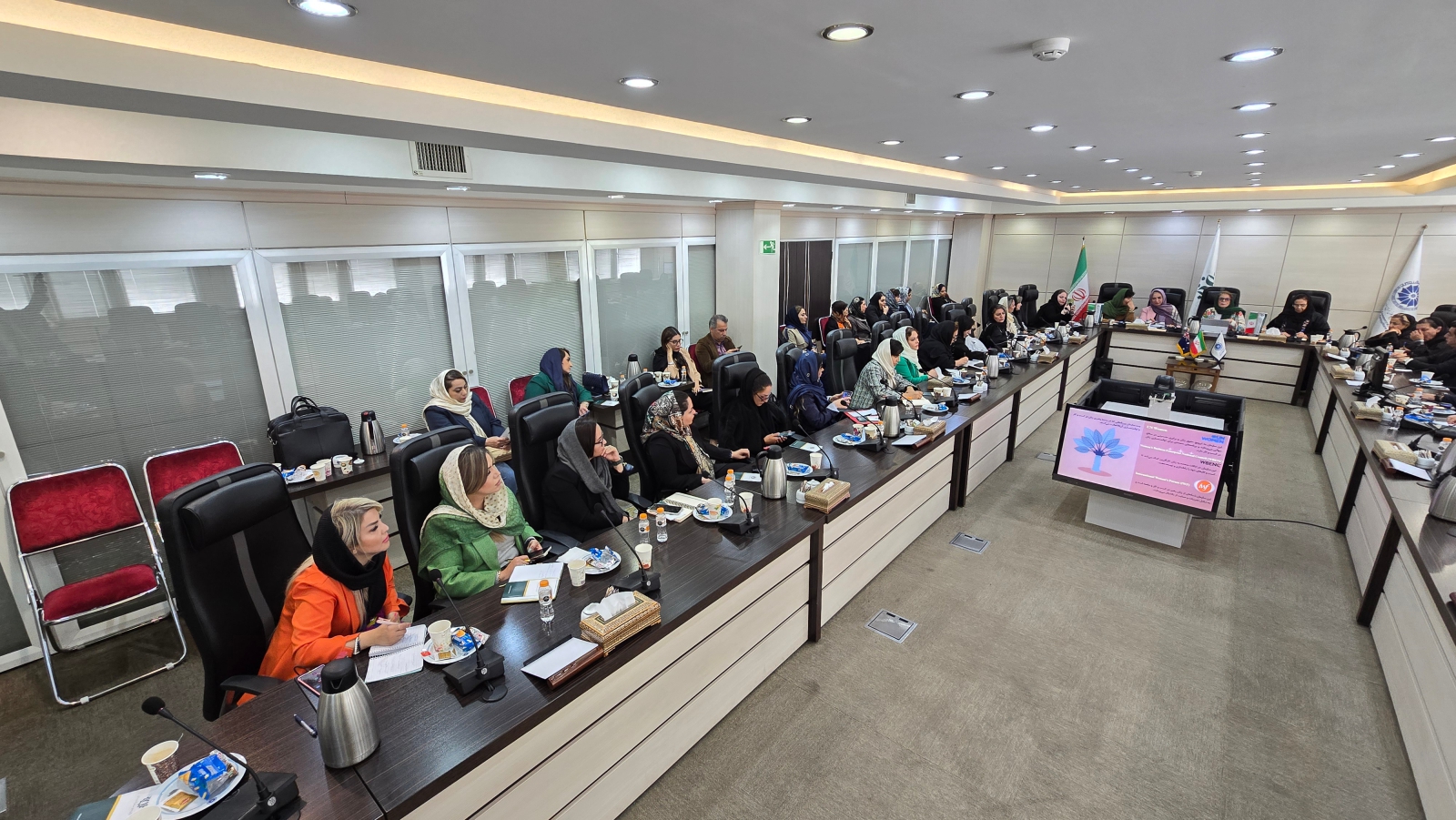
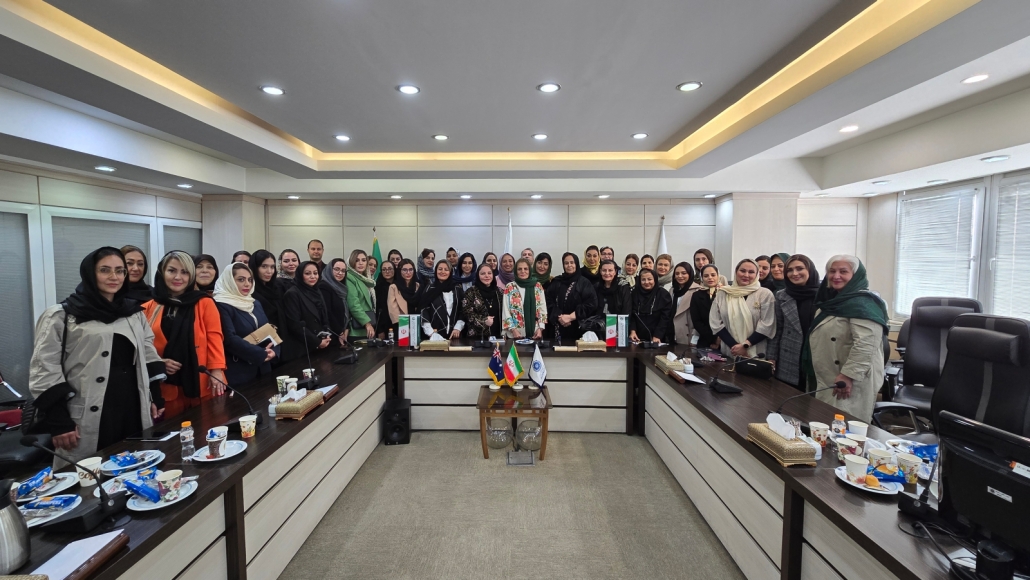
“The first pre‑event of the Second Conference of the Association of Active Businesswomen was held.”

اولین پیش رویداد دومین همایش انجمن زنان فعال اقتصادی برگزار شد

دوشنبه ۲1 آبان ماه 1403

اولین پیش رویداد دومین همایش بزرگ بین‌المللی زنان فعال اقتصادی، به همت انجمن صنفی کارفرمایی زنان فعال اقتصادی ساختمانی و با همکاری اتاق بازرگانی ایران و استرالیا، روز دوشنبه ۲۱ آبان‌ماه ۱۴۰۳، در سالن اصلی اتاق بازرگانی ایران و استرالیا برگزار شد.

این همایش که با استقبال اعضا و مدیران ارشد برگزار شد، محورهای کلیدی مرتبط با توانمندسازی زنان در رهبری کسب‌وکار، چالش‌ها و فرصت‌ها در رهبری زنان، استراتژی‌های موفقیت و تجربیات عملی آن‌ها در مدیریت را به بحث گذاشت.

در این رویداد، سخنرانان با اشاره به اهمیت دستیابی به یک «فهم مشترک» در تعریف مفهوم رهبری، توضیح دادند که تا زمانی که این تعریف به درک مشترک تبدیل نشود، نمی‌توان به چشم‌اندازهایی که برای افزایش سهم زنان در اکوسیستم کسب‌وکار و رهبری تدوین شده است، دست یافت. همچنین، فرآیند رهبری به عنوان یک فرآیند مستمر و پیوسته، نه صرفاً یک پروژه محدود، تعریف شد. در این دیدگاه، رهبری با ایجاد انگیزه و توانمندی در جهت دستیابی به اهداف و ارزش‌های جمعی، به شکلی پیوسته و پایدار دنبال می‌شود.

در بخش دیگری از این همایش، تجربیات زنان موفق در عرصه‌های مختلف مدیریتی و رهبری مورد بررسی قرار گرفت و به نقشی که زنان در سطح ملی و بین‌المللی ایفا می‌کنند، پرداخته شد. سخنرانان به حضور پررنگ و تأثیرگذار زنان در حوزه‌های مدیریتی و کسب‌وکار اشاره کرده و تأکید داشتند که ایجاد انگیزه و میل جمعی برای دستیابی به اهداف، یکی از عوامل اصلی موفقیت در رهبری است.

این همایش، به عنوان بستری برای به اشتراک گذاشتن تجربیات و ارائه راهکارهای موثر در راستای توانمندسازی زنان در رهبری و افزایش سهم آنان در ساختار اقتصادی و مدیریتی، مورد استقبال گسترده اعضای انجمن صنفی و سایر شرکت‌کنندگان قرار گرفت.

“Three important lessons Tim Cook learned from working with Steve Jobs”

🌟 In 2011, after the death of Steve Jobs, Tim Cook was appointed CEO of Apple and led the company to remarkable growth. Cook still follows the lessons he learned from Jobs and uses them in his decision‑making. Over the years, he has often spoken about his experiences working with Jobs and has revealed parts of Jobs’s advice in his speeches and interviews. The three important lessons he learned are:

◽️ 1. Small teams can accomplish amazing things Apple’s CEO says the teams responsible for building the iPod and iPhone were small. The team that built the iPhone may have been small, but it created a device that transformed smartphones.

◽️ 2. Hire people who challenge you Apple is known as one of the best companies to work for in the tech industry, but also one of the hardest places to get hired. According to Cook, there is a reason for this. He says Jobs told him to hire people who challenge him. He added that your employees should have skills you don’t have, and managers must ensure this.

◽️ 3. Don’t be afraid to change your mind The advantage of hiring the best people is that you can trust their ideas, which may be better than yours. Cook says that while working with Jobs, he learned not to cling to old viewpoints, because businesses can change instantly with new evidence.

“Ten management decisions that drive employees away from an organization”

🌟 Ten managerial decisions that damage organizational culture and push employees to leave are as follows:

◽️ 1. Deciding to rank and score employees against one another

◽️ 2. Implementing 360‑degree feedback that encourages (or even forces) employees to give anonymous feedback to each other

◽️ 3. Requiring employees who want an internal job transfer to obtain permission from their current manager

◽️ 4. Asking employees to provide documented proof (such as a death notice when a family member passes away) in order to receive leave

◽️ 5. Counting every small absence from work against employees

◽️ 6. Choosing to record and track violations instead of empowering employees and recognizing their achievements

◽️ 7. Filling open positions with external hires when qualified internal candidates already exist

◽️ 8. Turning the HR department into an enforcement unit rather than a problem‑solving and culture‑building team

◽️ 9. Hiring people at salaries below market rate for the role, just to save costs

◽️