
“On persuading with statistics and figures”

🌟 Kevin Hogan writes in 53 Principles of Persuasion: Without a doubt, the more precise your statements are, the more believable they become—especially when you use numbers and data in your arguments.

🌟 In fact, when you present statistics with detail and at the right moment, your claims become easier to believe, your position becomes stronger, and it becomes harder for the other side to challenge you.

🌟 Just remember: people don’t like vague or approximate numbers—they prefer precise information. To understand this better, imagine you’re a car salesperson introducing a fuel‑efficient vehicle to a customer.

🌟 If you simply say, “This car has low fuel consumption—around 7 to 8 liters,” it will be difficult to persuade the customer.

🌟 But if you say, “This car consumes 8.2 liters per 100 km with regular gasoline and 7.6 liters per 100 km with premium gasoline,” you can persuade the customer much more easily.

🌟 That’s why professional salespeople always carry a notebook where they record the exact date and time of all previous agreements with customers—so they can refer to them and influence the customer more effectively.

🌟 For example, imagine you previously agreed on a 4% discount, but the customer now asks for more.

🌟 To persuade this customer, you could say: “Mr. Smith, are you sure about that? Because I have notes from our phone call at 3:10 p.m. on September 14 indicating that we agreed on a 4% discount.”

“Six effective ways to motivate employees”

🌟 Companies like Google and Netflix know how to unlock talent and attract younger generations. Their success shows how valuable it is to offer various rewards and benefits to employees.

🌟 But when we talk about companies that aren’t as large as Google, the challenge is implementing ideas that are practical and realistic. If you want to bring transformative cultural elements into your own organization, try one of the simple and low‑cost ideas in this article.

1⃣ Hold meetings outside the office Work meetings usually aren’t on employees’ list of favorite activities. By doing something simple—like holding meetings at a nearby café—you can surprise your employees. This change of environment boosts their mood and increases the productivity of your meeting.

2⃣ Buy food for employees The ideal company provides meals for employees every day. If that’s not possible, you can still show appreciation by providing a ready meal on a busy workday. Is your accounting department buried in tax‑season tasks? During these long workweeks, buy them a few meals and brighten their day!

3⃣ Be flexible with working hours Strict 9‑to‑5 schedules are slowly becoming outdated. A modern approach is to let employees manage their own working hours. Instead of evaluating daily output, assign weekly tasks and let them decide how to allocate their time. If by Wednesday afternoon the week’s work is done—and done well—why not let them leave early and still pay them for a full day?

4⃣ Organize friendly competitions A little competition works wonders! If your company has a sales department, run a monthly “Employee of the Month” contest. Healthy competition plus the chance to earn rewards significantly boosts motivation.

5⃣ Prioritize employee wellness Health is something everyone worries about but rarely finds time for. Encouraging employees to prioritize their well‑being leads to greater happiness and higher productivity. You can even partner with a nearby gym to offer special discounts to your staff.

6⃣ Bring outdoor fun into the workplace If space is limited, this idea may be challenging—but it’s still a great way to energize the workday. Set up a few fun activities in the office and watch employees interact and enjoy themselves. Lunch hour can become a time when employees laugh, relax, and recharge—eliminating that sluggish post‑lunch feeling.

“How to win people’s trust by asking a simple question”

🌟 Simon Sinek, bestselling author and leadership expert, suggests that you can earn people’s trust by asking a simple question: “Can you help me?” He believes there is a misconception that asking for help makes you look weak, while in reality, people trust you more when you ask for their help.

🌟 Sinek raised this point at the 2024 Brilliant Minds conference, explaining that when you ask others for help, they feel more respected and trusted. He says that when friends or colleagues face challenges and you don’t ask for their help, they may feel ignored or think you don’t trust them.

🌟 He explains that trust is built when people ask for help—even when it’s not absolutely necessary. This matters not only in personal relationships but also in professional environments.

🌟 Emotional‑intelligence researchers believe that people with high emotional intelligence are not afraid to share their failures and struggles, and they see vulnerability as a strength. Asking questions like “What do you think about…?” helps expand conversations, increase trust, and deepen workplace relationships.

🌟 Requesting help in small matters—like asking for dinner suggestions or recommendations for walking spots—can be the first step toward building connection and trust. Over time, this trust makes it easier to seek help in more difficult or sensitive situations, strengthening relationships even further.

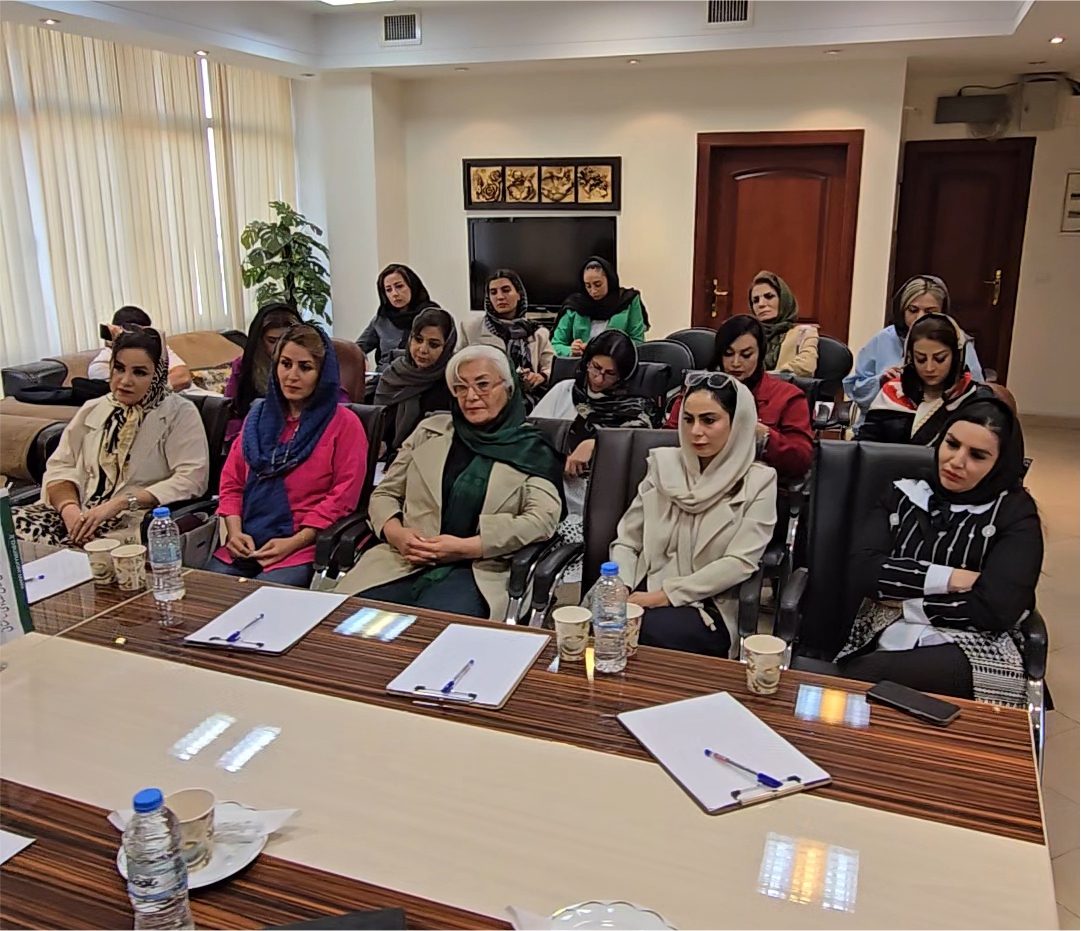
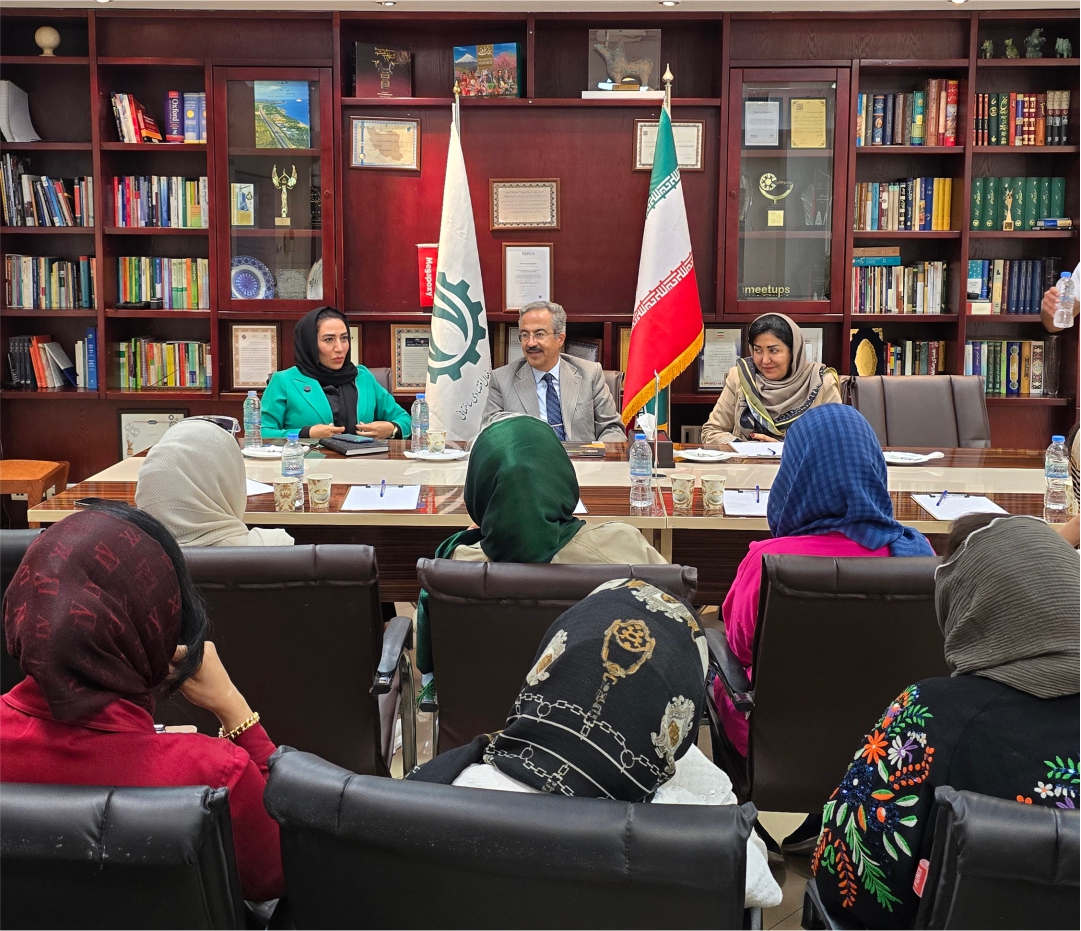
“The first session of the series of meetings of the Association of Women Economic Activists”

بررسی چالش های زنان فعال اقتصادی در بازار کار

با حضور دکتر محمد حسینی مکری (پدر سقف وافل ایران)

پنج شنبه ۲۶ مهرماه 1403