

“What is your core competency?”

🌟 Svend Hollensen writes in his book that all companies need a set of competitive advantages to succeed in the market. However, many senior managers mistakenly believe that factors such as access to cheaper raw materials are the source of competitive advantage.

🌟 But examining major companies like IBM, Apple, Microsoft, and others shows that their competitive advantage comes not from the resources they possess but from their core competencies.

🌟 For example, IBM’s ability to design highly advanced machines, Apple’s ability to create new communication technologies, and Microsoft’s ability to integrate artificial intelligence into office software are all examples of core competencies.

🌟 A core competency has three characteristics:

1️⃣ A core competency aligns with the company’s vision and mission. For example, Apple’s access to low‑cost factories in China is not a core competency because Apple’s vision is not to produce cheap phones. In contrast, Apple’s ability to enhance the security of its devices is a core competency because creating an unhackable phone is part of Apple’s mission.

2️⃣ A core competency is built through years of accumulated experience and cannot be purchased. A key point is that competitors cannot easily imitate it. Therefore, a core competency must grow from within the company, not be bought from outside. This is why Google requires its engineers to spend part of their workday on personal projects—so their learning and experience in software design grow and eventually become a core competency of the company.

3️⃣ A core competency can be transferred across the entire company. A true core competency can be used in all products and services, not just one brand or product line. For example, Amazon’s ability to offer personalized recommendations based on previous purchases is one of its core competencies. Amazon uses this capability both in its online store and in its physical stores.
“Watch out for your employees’ imitation”

🌟 Brian Tracy writes in The 12 Principles of Great Leadership: Professional leaders are those who, over time, become role models for their employees. Staff members imitate their leader’s values, behaviors, decision‑making style, and even their way of speaking.

🌟 For this reason, professional leaders always behave in ways that make them good examples for their teams, teaching them the right values, culture, behaviors, and communication styles.

🌟 In reality, these leaders fully understand that everything they say and everything they do is examined and analyzed by their employees. As a result, they are always careful about their behavior, speech, and decisions.

🌟 This is why professional leaders strive to become strong role models through the following desirable behaviors:

1️⃣ Optimism about the future, especially in the toughest situations. 2️⃣ Commitment to the company’s obligations, principles, and work values. 3️⃣ Support for creative and innovative ideas. 4️⃣ Creating an environment where all employees can participate and share opinions. 5️⃣ Promoting a customer‑centric culture across the entire organization. 6️⃣ Paying special attention to the company’s brand and fostering a culture of brand support among all employees. 7️⃣ Encouraging responsibility, self‑motivation, personal development, and work ethic. 8️⃣ Building friendliness and unity among employees and avoiding unnecessary conflicts or arguments.

“Men, women, and the division of the negotiation pie”

🌟 Leigh Thompson writes in The Mind and Heart of the Negotiator (published in Persian as 53 Principles of Negotiation): What is the difference between men and women when negotiating? You might feel, as I did, that this question could lead to biased answers — but I want to share the results of a scientific study on this topic.

🌟 When men and women negotiate face‑to‑face, men tend to claim a larger share of the negotiation pie. The reason for this difference lies in their initial demands, not in their negotiation skills.

🌟 More precisely, the root of the difference is in the opening offers: women typically do not ask for as much as men do.

🌟 This behavioral gap persists even when men and women are placed in identical roles. For example, Professor Linda Babcock noticed this pattern and published a book titled Women Don’t Ask.

🌟 In this book, she presents new perspectives on gender differences in negotiation and provides extensive evidence — especially regarding men’s tendency to ask for more and women’s tendency to settle for less.

🌟 Babcock argues that the positive, stereotypical image we hold of women — as kind, agreeable, and easy to manage — can actually harm them in negotiations. These common perceptions lead women to request a smaller share of the negotiation pie.

🌟 She continues: we must change this situation and help women increase their share of the negotiation pie.

🌟 She refers to Professor Howard Raiffa’s book The Art and Science of Negotiation, noting that some of the 38 traits of an effective negotiator — such as assertiveness, decisiveness, and competitiveness — align more with stereotypically masculine behavior, while others — such as empathy and nonverbal communication — align more with stereotypically feminine behavior.

🌟 Recognizing that women excel in many traits of a skilled negotiator, Babcock concludes: when women become aware of this reality, they perform far better and become much stronger negotiators.

🌟 She ends by saying: the issue is not that men exploit women or take more advantages; rather, as Louis Pasteur said, “Chance favors the prepared mind.” If women enter negotiations with a prepared mind, their chances of success increase.

“What should you do so that employees respect you”

🌟 Every manager dreams of influencing their employees to achieve the organization’s goals while also earning their respect. One of the great skills of successful leaders is that they manage to achieve both ideals simultaneously — and they do so by following certain principles and practices, which this text explains.

🌟 Find your own leadership style Knowing clearly whether you lead your team through your technical expertise or through your charisma and personal presence helps your people trust you and respect you.

🌟 Be compassionate toward your people — and show it Nothing destroys a manager’s influence and respect faster than ignoring employees or failing to value their dignity.

🌟 Increase your knowledge as much as possible The more a manager understands the organization and its environment, the better their decisions will be — and this naturally increases their credibility.

🌟 Invest in yourself Great leaders are lifelong learners. By learning new things, they invest in their own growth.

🌟 Manage your brand As a leader, you must actively manage your personal and organizational brand by gathering feedback from customers and stakeholders and improving your reputation.

🌟 Focus on the future Great leaders visualize the future and align the organization’s energy toward achieving long‑term goals.

🌟 Know your people well A good manager knows what their employees enjoy, their hobbies, their children’s names, and — most importantly — what they excel at. Employees love leaders who truly know them.

🌟 Support your employees’ professional growth A leader must create opportunities for employees to grow, because individual success leads to organizational success.

🌟 Praise your people generously When employees perform well, acknowledge them — whether publicly, privately, or even through small but meaningful gifts.

🌟 Show your people that you have their back If they feel supported, they will support you in critical moments.

🌟 Surround yourself with the best As the saying goes, “No one knows everything.” Bring in strong people who complement your weaknesses and make the team stronger.

🌟 Listen first, then speak Great leaders listen more than they talk. They gather information, think carefully, and then decide.

🌟 Take risks Without risk, there is no reward. Employees admire courageous leaders and are willing to go the extra mile for them.

🌟 Always pursue the best and the greatest Great leaders constantly seek improvement. They believe their best work is ahead of them and that their biggest successes lie in the future.

“Ms. Hoshyar’s remarks regarding the Association of Women Entrepreneurs”

“The possibility of women’s participation with the presence of Ms. Hoshyar”

“Meeting of the Association of Women Economic Activists in cooperation with the Iran Chamber of Commerce”

“World Congress of Leaders – Dubai, Middle East Women 2024”

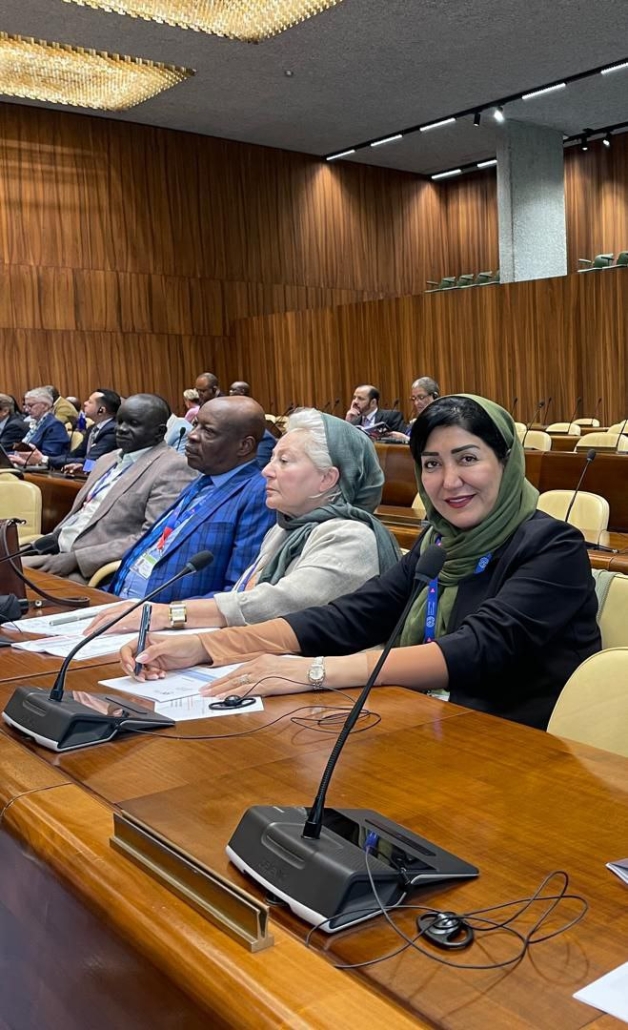
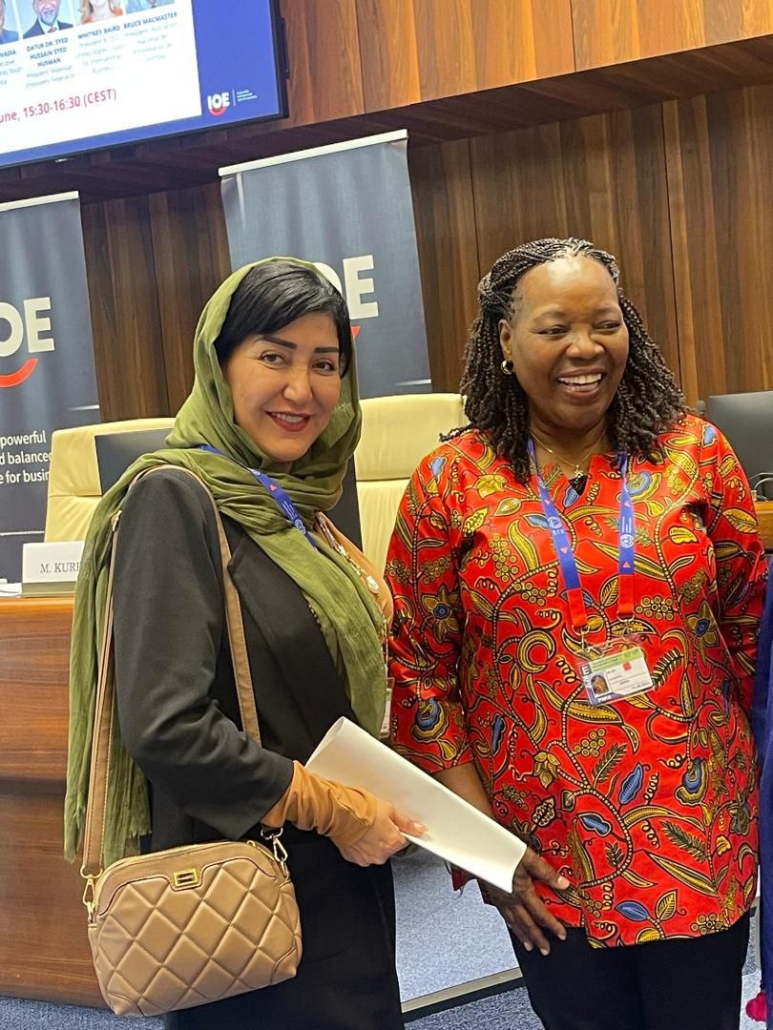
“Ms. Hoshyar’s participation in ILO 2024”

“Appreciation of distinguished figures by presenting the ‘Value‑Creating Woman’ statuette to the CEO of Mikarad Kish Company”

“The 10th ceremony honoring distinguished figures in Iran’s retail industry, top brands, chain stores, and shopping centers was held at the Olympic Hotel in Tehran with the presence of leading professionals in the retail and shopping‑center sector. In this event, Zeinab Bahreini, CEO of Mikarad Kish, was recognized and honored by industry leaders as the ‘Value‑Creating Woman’ of Iran’s retail sector…”